


The Return of Colour: Spring in Art.

As we are now fully in spring it’s a good chance to explore artists who are inspired by and use spring in their work. Spring is often associated with renewal, nature and flowers. With the cold weather and darker days of winter over, landscapes slowly starting to become more colourful with trees blooming, the outside feels more colourful again. For many people spring represents growth, new beginnings, and the quiet return of life after winter. For centuries many artists have been inspired by spring landscapes, with earlier painters often focused on traditional landscapes or flower studies compared to more contemporary artists who approach spring and nature in very different ways.
Across different periods of art history, artists have interpreted spring in different ways. Some artists focus on the beauty of landscapes and gardens, while others explored how the changing seasons affect mood and emotion. From nineteenth century painters capturing blooming fields to today, where artists explore spring through environmental art, photography, installations, and digital media.
Spring in 19th century painting.
Before we look at contemporary artists it is important to understand that nature has inspired for over a century. In the 19th century one of the most famous artists associated with spring was Impressionist artist Claude Monet who loved painting how light and colour changes in nature. In works like ‘The Water-Lily Pond’ and his garden scenes, he captured the bright colours and soft light of spring. Claude Monet once said, “The richness I achieve comes from nature, the source of my inspiration”. Like other Impressionists, he painted outdoors to show the natural light and lively feeling of the season[i].

Another artist is Vincent Van Gogh who explored the emotional side of nature by painting orchards of blossoms and green landscapes. It can be suggested that his paintings often feel energetic and hopeful, which could reflect the excitement and optimism that spring can bring. It can be argued that the swirling brushstrokes and bright colours suggest a world that is constantly growing and changing. For both these artists, spring isn’t just a beautiful scene but a way of capturing the energy of life itself.

Flowers and nature as symbols.
Some people associate flowers with renewal and growth, with some artists using flowers not just as decorative subjects but also as symbols of change, beauty and fragility. One artist who is well known for her large-scale flower paintings in Georgia O’Keeffe. She is well known for magnifying flowers so they fill the entire canvas, which encourages viewers to look more closely at forms they may overlook. This unique way of painting simplifies the shapes and forms of nature[ii].

Contemporary artists who are inspired by spring.
Many contemporary artists explore spring and the natural world in different ways. As well as continuing to paint nature, some artists will create installations or artworks outside that interact with the landscape itself. For example, artist Andy Goldsworthy creates temporary sculptures using natural materials such as leaves, branches, stones and ice. Many of his creations only exist for a short amount of time before being changed or destroyed by the weather and time[iii].
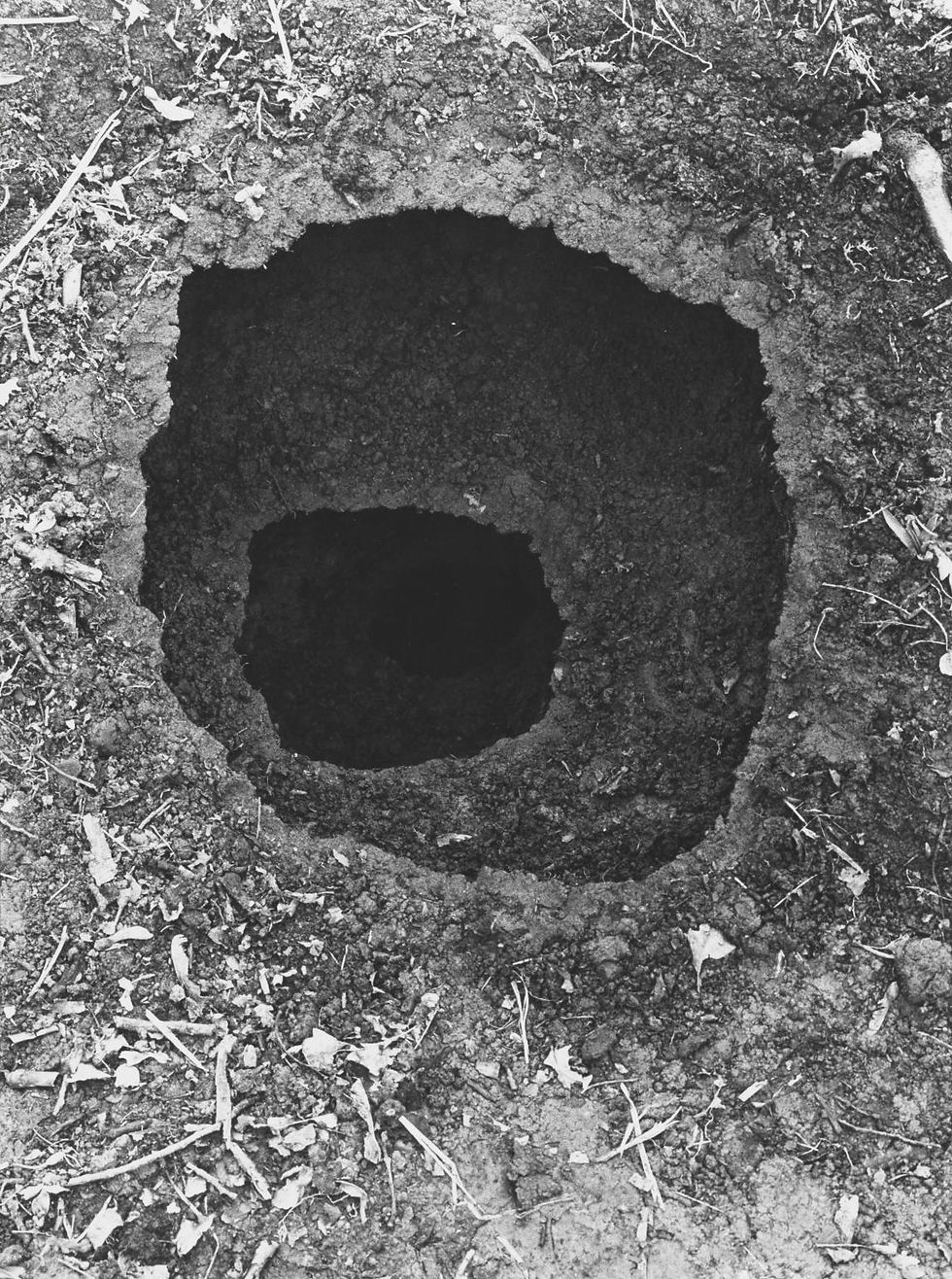
This temporary quality reflects the changing cycles of nature. Spring often represents transitions where winter fades and new growth starts. Goldsworthy’s work highlights how fragile and temporary natural beauty can be.
Another contemporary artist inspired by nature is Olafur Eliasson who is known for using a range of media including photography, painting, film, and large installations using light, water and air temperature, to create physical experiences. These types of installations remind us that nature and seasonal changes are something we experience with our entire bodies[iv]. By using sunlight, water and fog in the work it encourages the viewer to think about their relationship with the environment.

Some contemporary artists explore spring and nature through the lens of identity and culture, often connecting landscapes and nature with personal and social experiences. One artist who does this is Yayoi Kusama. Kusama uses repeated patterns which are inspired by natural forms. Her installations filled with flowers or organic shapes create immersive environments that feel both playful and overwhelming. Kusama’s work reflects a lifelong fascination with nature and the infinite patterns found within it[v].

Furthermore, British painter, printmaker and photographer David Hockney is also inspired by Spring. Hockney has spent decades capturing the changing landscape of our English countryside. His paintings are sometimes vibrant paintings of springtime trees, fields, and roads, with his paintings often incorporating simplified shapes[vi].

Moreover, Wolfgang Tillmans is a German photographer who explores spring in his work, and he ‘was the first photographer and first non-British person to be awarded the Turner Prize’[vii]. His work shows how nature exists alongside everyday life.

Why spring continues to inspire artists.
Spring is still a popular subject and inspiration for many artists because it represents transformation and flowers growing. For artists spring can symbolise hope, renewal, and change, whilst also reminding us that nature changes throughout the year.
Nowadays so many people spend lots of time online, artworks inspired by nature offer a chance to reconnect with the outdoors. Artists create flower paintings, installations and photographs to represent spring.
References:
[i] Claude Monet. (n.d.). Claude Monet. https://claude-monet.com/
[ii] Tate. (n.d.). Who is Georgia O’Keeffe? | Tate Kids. Tate Kids. https://www.tate.org.uk/kids/artists/who-georgia-okeeffe
[iii] Tate. (n.d.-a). Andy Goldsworthy born 1956 | Tate. https://www.tate.org.uk/art/artists/andy-goldsworthy-7274
[iv] Olafur Eliasson Hon RA (b. 1967). (n.d.). Royal Academy. https://www.royalacademy.org.uk/art-artists/name/olafur-eliasson-hon-ra
[v] Tate. (n.d.-a). An introduction to Yayoi Kusama | Tate. https://www.tate.org.uk/art/artists/yayoi-kusama-8094/introduction-yayoi-kusama
[vi] Tate. (n.d.-c). David Hockney born 1937 | Tate. https://www.tate.org.uk/art/artists/david-hockney-1293
[vii] Tate. (n.d.-e). Wolfgang Tillmans born 1968 | Tate. https://www.tate.org.uk/art/artists/wolfgang-tillmans-2747


b52 club mình mới ghé thử vì thấy mấy đứa bạn nói suốt, kiểu vào xem giao diện có dễ dùng không thôi. Lướt vài phút thấy trang làm khá sáng sủa, các mục chia thành từng khối nên nhìn phát là biết đang ở đâu, không bị rối chữ khi kéo xuống. Mình cũng để ý họ có ghi phần nạp rút xử lý nhanh tầm 30 giây đến 1 phút, đọc vậy thì cũng thấy yên tâm hơn chút chứ không phải mò mẫm. Bấm qua lại giữa mấy mục trên menu cũng mượt, không bị giật lag gì. Nói chung mình thích cái cách họ để tiêu đề và ô thông tin dạng block rõ ràng, nhìn…