


Art for all, or Art as a privilege?

I have never really understood the statement "Art for all." For whom? What kind of art? And if it is truly for all, doesn't art lose its very sense? These, and many other questions, come back to me every time I hear or see this phrase. On the other hand, is art a privilege? Does that mean it is only for a select group of people? Which group? And who decides who belongs to it?
There are countless art fairs taking place around the world. In London alone, there seems to be a new open call for another art fair almost every week - for British, European, or international; for classical, contemporary, or modern art. Something for every taste. And that's without even mentioning exhibitions and independent art events. There is so much art that you begin to lose yourself in the whirlwind. Some meanings become clearer, while others slip away. And the more you attend, the faster you move through them… The first time, you stop at every stand. You photograph every artwork. You Google every artist. By the tenth or twentieth visit, it takes far less time to recognize, among everything on display, what is truly worth your attention.
Unfortunately. And how great it would be to linger at every stand, as it was the first time. But experience shapes your taste, especially when your professional occupation doesn't require you to gasp in admiration where you genuinely feel none. Eventually, you develop your own formula: if twenty to thirty percent of what you've seen genuinely captures your attention, then it has been a good art fair. Still, it would be much better to have those standards higher.
Art is not for everyone. Because it is not mass market. In fact, it is not meant to be a "market" at all. That does not mean art belongs only to the "chosen." There are different forms and kinds of art, but each of them requires a certain degree of preparation if one is to understand its value - the value of a particular painting, sculpture, or photograph. "Art for everyone" becomes a marketplace. A bazaar. And there is no place for Art.
Art demands certain conditions: the way it is presented, the space it inhabits, the context in which it is encountered. And it also demands an audience that is prepared - an audience capable of recognizing and appreciating its value.
From 24th to 30th of June, the Treasure House Fair took place at the Royal Hospital Chelsea in London. The fair was launched following the cancellation of Masterpiece London in 2023 by MCH Group. In response, two of Masterpiece's original co-founders—antiques dealer Thomas Woodham Smith and stand builder Harry Van der Hoorn of Stabilo—created a smaller event at the same historic venue where Masterpiece had previously been held. This year, Treasure House Fair celebrated its fourth edition, bringing together 59 exhibitors.
For me, Treasure House Fair feels like a miniature version of TEFAF (The European Fine Art Foundation's annual art, antiques, and design fair, held in Maastricht and New York). The standard of organisation, presentation, and, most importantly, the quality of the works on display is exceptional. The fair brings together antique furniture, rare books, jewellery, sculpture, and paintings spanning both contemporary practice and earlier centuries. This level of excellence, however, requires considerable investment.
According to one participating gallery owner, exhibiting at Treasure House Fair costs tens of thousands of pounds, excluding transportation, stand design, insurance, and numerous additional expenses. For comparison, one exhibitor at TEFAF Maastricht 2026 shared that their overall participation costs reached around £100,000.
Naturally, the artworks on display are priced accordingly, ranging from tens of thousands to hundreds of thousands of pounds. It creates the impression that art is "not for all," but rather for a very select audience. But that is the other extreme. Such prices are determined by the art market, which does not follow conventional or standardized rules. Instead, it is shaped by a range of factors that can sometimes be impossible to explain logically. Art pricing is a complex global subject in its own right - there is no single formula or fixed methodology for determining the price of an art work.
One of the first stands to capture my attention belonged to MacConnal-Mason Gallery, which specialises in outstanding British and European paintings and sculpture from the nineteenth and twentieth centuries. Among its highlights was Volubilis (Images 1-2) by the French sculptor Alfred Boucher, mentor to Camille Claudel and close friend of Auguste Rodin. Volubilis forms part of Boucher's celebrated series of marble sculptures exploring the female body emerging from roughly carved stone, creating a fascinating dialogue between refinement and raw material.


Images 1-2: ‘Volubilis’ by Alfred Boucher (French, 1850-1934), presented by MACCONNAL-MASON gallery
Another work that immediately drew me in was Prometheus (Images 3-4) by the American sculptor, draughtsman, and graphic artist Leonard Baskin. Created in the aftermath of the Second World War, it seems like Prometheus reflects the emotional weight of a world recovering from devastation. The monumental hands both protect and restrain, offering a place of refuge while simultaneously holding the figure together. They seem to push away intrusive thoughts and painful memories, suggesting the struggle to regain inner balance, remain focused, and preserve both physical and spiritual strength. The sculpture becomes a powerful meditation on resilience, healing, and the enduring human capacity to carry on despite the burden of the past.

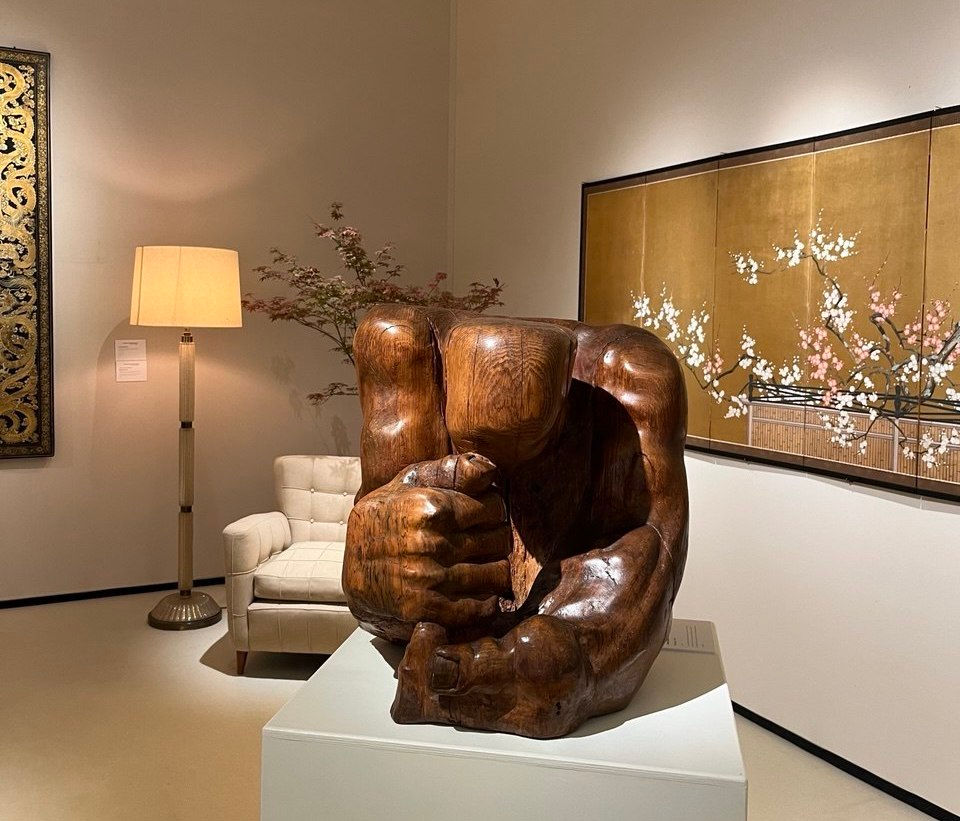
Images 3-4: ‘Prometheus’ by Leonard Baskin (American, 1922-2000), presented by Justin Evershed-Martin. £28,000
Perhaps one of the fair's most unforgettable works was Bangers and Mash by British sculptor Alex Chinneck. Carved at life size from American Black Walnut, this grand piano transforms one of the country's strongest and most resilient hardwoods into a vision of fluid motion. Resting atop the instrument is a pile of antique 19th-century books, their imagined weight distorting the piano into flowing waves. Alex Chinneck is a British sculptor known for creating temporary public artworks.

Image 5: ‘Bangers and Mash’ by Alex Chinneck
Particular attention should be given to Aurora (Image 6) by Sir Edward Coley Burne-Jones and Studio. As the artist wrote about this work, ‘I mean by a picture a beautiful romantic dream of something that never was, never will be - in a light better than any light that ever shone - in a land no one can define, or remember, only desire – and the forms divinely beautiful.’ This work leaves an almost magical impression. Its monumental scale, combined with Aurora’s graceful movement toward the viewer, creates the illusion of stepping into the painting itself and becoming part of its narrative. Priced at £795,000, the painting was presented by Winsor Birch Gallery, founded by former Sotheby's Director Grant Ford, whose three-decade career specialised in British and Irish Art after 1850.
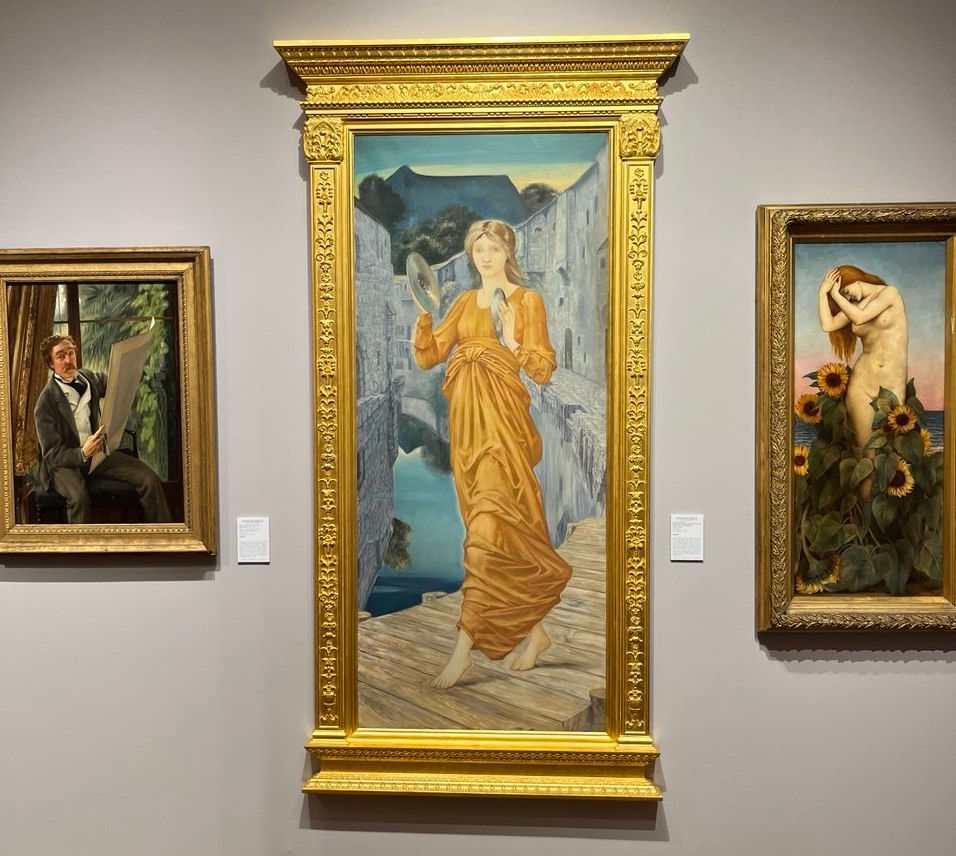
Image 6: ‘Aurora’ by Sir Edward Coley Burne-Jones, BT., A.R.A., R.W.S. (1833-1898) and Studio, presented by Winsor Birch. £795,000
One curatorial decision I particularly admired was the placement of two separate works by different artists in direct conversation with one another: Mirror by Matthew Derbyshire and Bear by Nicola Hicks (Image 7), both presented by MESSUMS. Seeing the works together creates an entirely new layer of interpretation. Derbyshire's figure gazes into a mirror only to encounter the reflection of a wolf - symbol of the untamed and instinctive side of human nature. It invites the viewer to question whether we truly embrace the qualities that distinguish us from the animal world: our capacity for self-awareness, empathy, and the ability to experience profound emotions. Or have we, despite our humanity, become increasingly governed by instinct, fear, and survival?
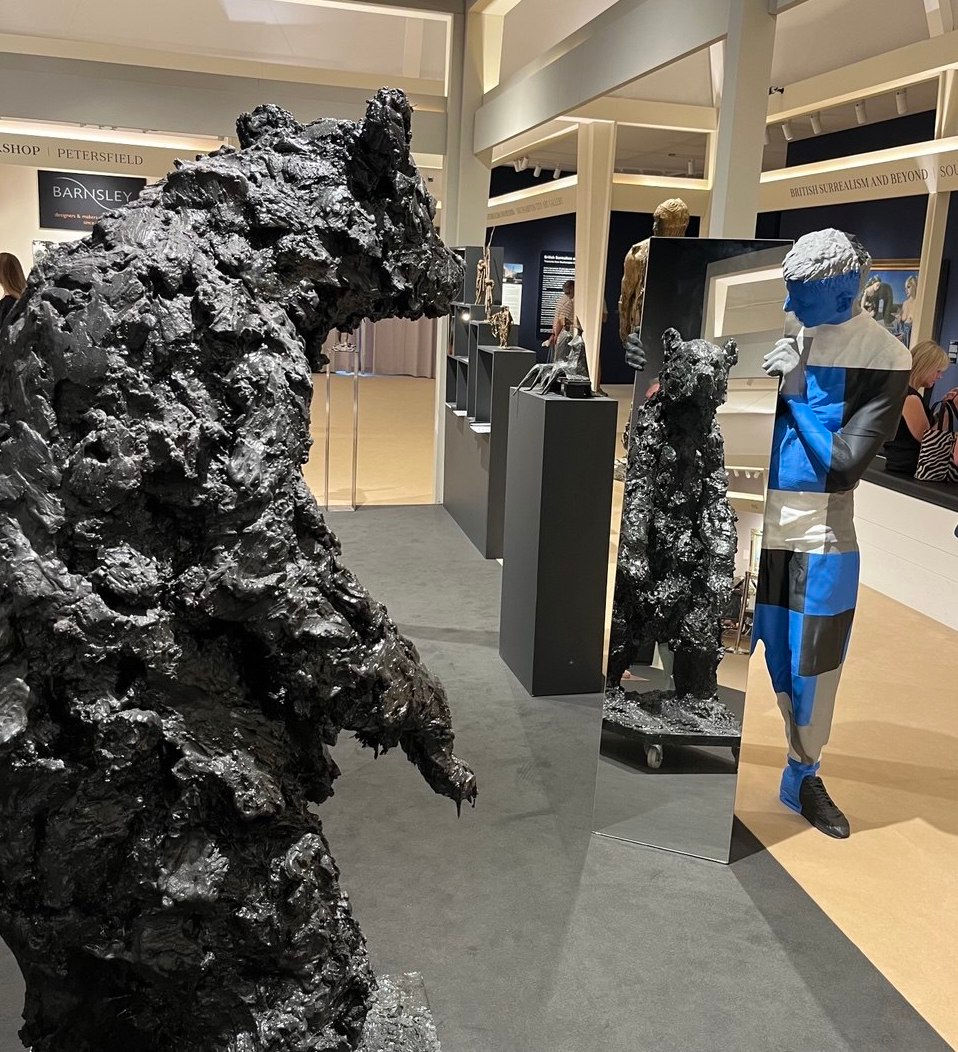
Image 7: ‘Mirror’ by Matthew Derbyshire, £10,000; ‘Bear’ by Nicola Hicks; presented by MESSUMS
One of Treasure House Fair's defining features is the Sculpture Walk, directed for the second consecutive year by the contemporary artist agency Harvey Horswell. This year's presentation explored the theme Shared Views and brought together thirty-six sculptures from exhibitors, galleries, estates, and independent artists. Among the strongest works, in my opinion, were Blessing and Partners (Images 8-9) by London-based painter and sculptor David Breuer-Weil, presented by James Hyman Gallery, a gallery renowned for twentieth-century British art and the School of London.


Images 8-9: ‘Blessing’ and ‘Partners David Breuer-Weil, represented by James Hyman Gallery
Another work that stayed with me was Devon Island (Image 10) by British artist Andy Harper. Working in oil on canvas, linen, and aluminium, Harper paints organic forms—leaves, seed pods, stems, and bones—from shifting perspectives. His paintings balance the vitality of living nature with the inevitable reality of decay, resulting in works that feel both deeply sensual and quietly melancholic. The painting was presented by Patrick Heide Contemporary Art, a gallery committed to exhibiting art that is intellectually challenging, historically relevant, and technically accomplished.
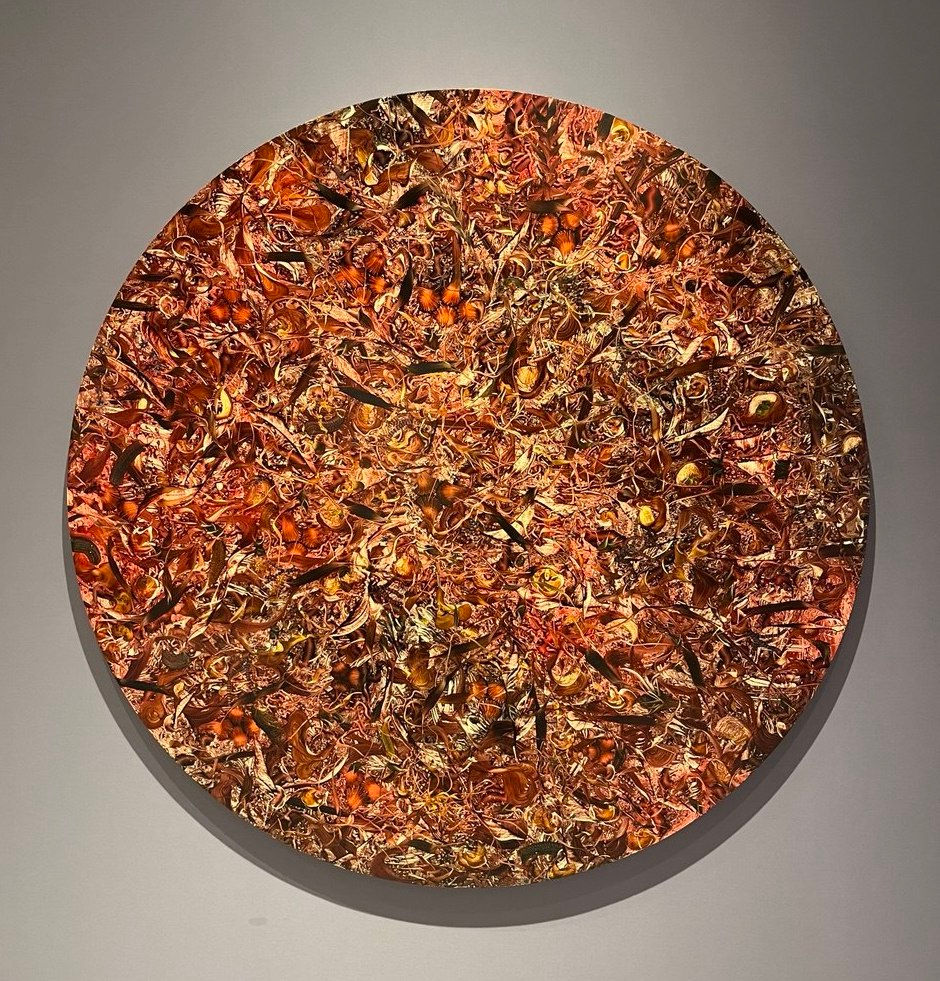
Image 10: ‘Devon Island’ by Andy Harper, represented by Patrick Heide Contemporary Art
Although the majority of exhibitors represented galleries from the United Kingdom, Europe, and the United States, the fair also featured participants from further afield, including the Japanese gallery A Lighthouse called Kanata which is dedicated to the reinterpretation of contemporary Japanese art in the 21st century. Two works (Image 11) at the gallery particularly stood out. Remnants of by Hidenori Tsumori represents the remnants of what has passed and what (or perhaps who?) is left behind in starkly poignant detail. Where does glass end and clay begin? Or - where does life end and death begin? Who or what draws the divide between these two fundamentally different states of nature? Priced at £16,000.The second work - Deante 3 by Kosuke Kato. The artist wields the metal that is Damascus steel with a minimal elegance, transforming the austere and medieval material into a compelling medium for abstraction within contemporary art. In Kato’s metal facades are the seven seas of serenity, an eternal loop that plays on and on, his silhouettes accentuating the raw beauty of Damascus in all its true glory.

Image 11: ‘Remnants of’ by Hidenori Tsumori, £16,000; ‘Deante 3’ by Kosuke Kato; represented by A Lighthouse called Kanata
Art is, by its very nature, an exclusive experience. It cannot simply be scattered everywhere without intention. It must be thoughtfully presented, allowing a genuine dialogue to emerge between the artwork and its viewer. When art is made to be for everyone, it risks becoming a mass product. Once it begins to occupy every shelf and every space, it gradually loses the meaning that once made it special.Yet the opposite extreme is equally dangerous. In making art exclusive, there is always the risk of crossing the line into excessive commercialisation, where market value begins to overshadow artistic value. At that point, not only the essence of the work but also the way it is perceived can become distorted. This is why maintaining a balance is so important: ensuring that price never replaces value, and that popularity never comes at the expense of meaning.


Comments